
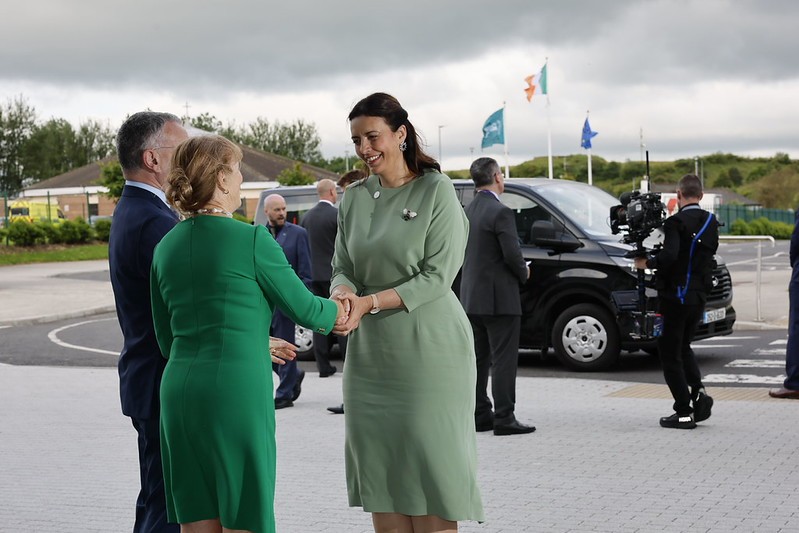
One of the main topics of the meeting was reducing and preventing poverty throughout the life course – from childhood to old age. Joller stressed that tackling poverty requires a comprehensive approach, including adequate income, accessible services, education, employment opportunities and the ability to identify those in need at an early stage.
“Poverty does not emerge overnight, and no single measure can solve it on its own. When a child grows up in poverty, it can affect their health, educational attainment and opportunities throughout life. This is why support must reach families as early as possible,” Joller said in her intervention.
“This principle applies throughout a person’s life: support must be provided at the right time, whether it concerns access to education and school meals, family income, employment opportunities, healthcare, long-term care or pension literacy. Reducing poverty means ensuring that social protection, healthcare, education and the labour market work together to support people.”
Estonia’s goal is to reduce the share of people at risk of poverty or social exclusion to 21% by 2030 and help 13,000 children out of poverty.
Addressing child poverty requires not only adequate family income but also access to early childhood education and care, school meals, transport and the support services children need, Joller noted. Family well-being is also supported by Estonia’s flexible parental benefit system and by a fairer support scheme for children who have lost a parent, which will enter into force in October this year.
To prevent poverty among older people, Estonia considers adequate pensions, accessible healthcare and long-term care, support for digital skills and reducing age discrimination to be particularly important. It is also essential to support older people who wish to remain in employment, ensure flexible combinations of pension income and earnings, and improve public understanding of the pension system. Estonia will continue indexing pensions, and single pensioners, who face a particularly high risk of poverty, are eligible for a one-off support payment.
In addition to poverty reduction, ministers discussed protecting workers in a changing world of work and improving the inclusion of people with disabilities in the labour market.
During her visit to Ballina, Karmen Joller also met with Ireland’s Minister for Social Protection, Dara Calleary. The meeting focused on the European Social Security Pass (ESSPASS), which aims to make it easier for people to exercise their social security rights when moving between EU Member States. Estonia supports the digitalisation of social security data exchanges to reduce bureaucracy in cross-border cases and make procedures faster, more secure and user-friendly for citizens, employers and public authorities. Ireland aims to reach agreement among Member States on the development of ESSPASS by the end of the year, during its Presidency of the Council of the European Union.

